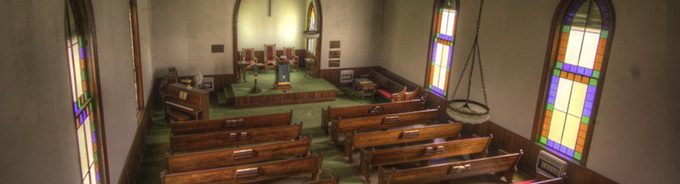
 The Easter Story like the Christmas Story are known by most Christians and I would venture by many of those who are not of the faith also. I would also venture to say on the surface it is familiar ground for most peoples. But what do we know about the ground it covered? There is a bit of advice that is given to public speakers that goes like this… “know the room it will help you share your message.” Or the advice of book publishers, “it helps to know what you are writing about.” Consider this… to really understand the richness of the biblical writings and appreciate the Saints that carried forth the message of God and His son Jesus Christ “knowing the lay of the land will enhance your study.” So let’s get to know the lay of the land. First of all… it was not the most hospitable place to be as far as terrain was concerned. Palestine during the time of Jesus was part of the Roman Empire and was governed by Herod the Great. The Jewish people were subject to Roman law and customs, and there was tension between the two groups. Add to that the tension between the two groups among themselves and it gets a bit treacherous. Three very distinct facts about the area that Jesus would have walked in, the ground under his feet, which I sometimes refer to it as the way to the cross. Adjust your sandals and let’s take a walk.
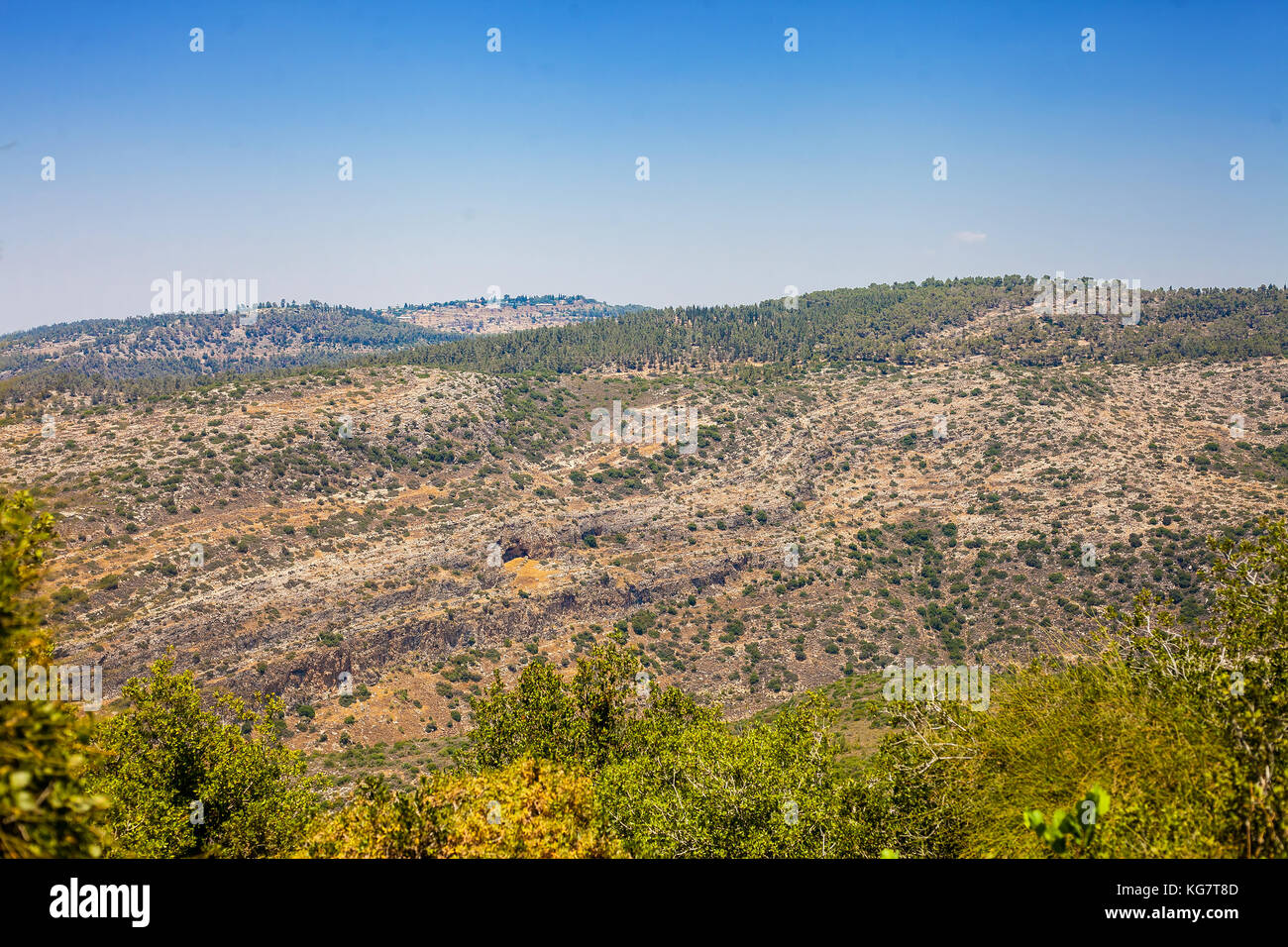
(1) Political situation: Palestine was part of the Roman province of Syria and it was divided into ten regions, Herod the Great was a “client king” of Rome, he was an ally of Rome who was allowed to rule in exchange for loyalty andstability and after Herod died, his kingdom was divided into five parts. Pontius Pilate was the Roman governor of Palestine from AD 26 to 36.(2)situation: The Sadducees were the political elite of Palestine, consisting of wealthy and influential Jewish aristocrats. The social institutions of Palestine included family, politics, and the economy. (3)Other thoughts: The Roman Emperor was called Caesar. The Roman Senate gave Herod the title “King of the Jews” and Roman imperial policy required Palestine to be loyal and peaceful.
The Bible describes the historical situation in Palestine and is the most reliable source for the information we have today about the ground Jesus walked on.
Note: I have at the end of this blog listed my sources for this information.
For the next few weeks The Pew will attempt to go beyond the words in an attempt to get a feel of the land and challenges Jesus faced on the way to the Cross. I hope you will join us here in the pew.
Life is Good
jk
Sources
[1] https://www.loc.gov/item/2009579463/
[2] https://www.britannica.com/biography/Jesus/Jewish-Palestine-at-the-time-of-Jesus
[3] https://blogs.glowscotland.org.uk/ea/public/reresources/uploads/sites/2110/2016/02/Palestine-Religion-and-Romans.pdf
[4] https://www.thebiblejourney.org/biblejourney1/1-the-world-of-the-new-testament-journeys-b/the-rulers-of-palestine/
[5] https://study.com/academy/lesson/early-critics-of-christ-pharisees-and-sadducees.html
[6] https://www.logos.com/product/15711/palestine-in-the-time-of-jesus-social-structures-and-social-conflicts
[7] https://www.amazon.com/Palestine-Time-Jesus-Structures-Conflicts/dp/0800663098
 From The Pew