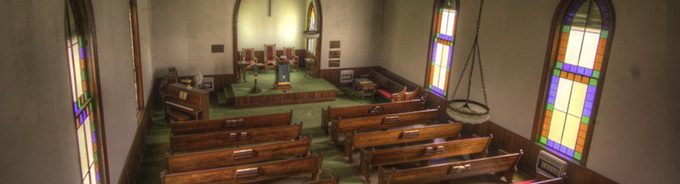
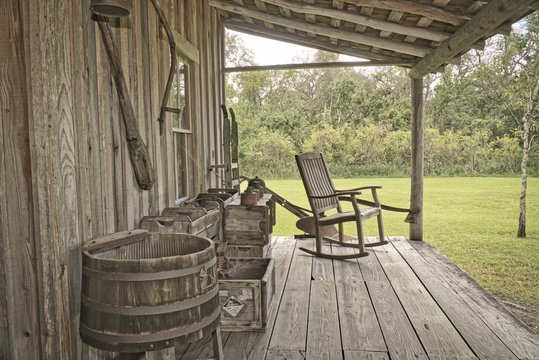
 I had a hard time getting out of the “Pew” and onto the back porch. So much has been happening this week that I am finding it hard to clear my mind. You might say I have found myself having to think about something to ponder over. If you will recall thinking is a bad thing because it requires three things…knowledge, patience and usually a resolution of some sort. Pondering is like being lost in your thoughts…no real need for any specific results. Just sitting here looking at things off my back porch, kinda showcases the changes that are coming. Wrote a book one time, Western of course…remember a line from one of the characters who was asked his opinion of change. He said…”well Sir, if the good Lord saw fit to change the seasons, I reckon it is a good thing!” This might be a good time to get our bibles out. The Bible gives us insights into lots of things. One thing for sure is the changing of seasons. As we transition from one season to another, here are five verses that reflect on the beauty and significance of these changes:
- Genesis 8:22 (NIV)
“While the earth remains, seedtime and harvest, cold and heat, summer and winter, day and night, shall not cease.”
2. Ecclesiastes 3:1-2 (NIV)
“There is a time for everything, and a season for every activity under the heavens: a time to be born and a time to die, a time to plant and a time to uproot.”
3. Psalm 74:17 (NIV)
“It was you who set all the boundaries of the earth; you made both summer and winter.”
4. Jeremiah 8:7 (NIV)
“Even the stork in the sky knows her appointed seasons, and the dove, the swift and the thrush observe the time of their migration. But my people do not know the requirements of the Lord.”
5. Psalm 104:19 (NIV)
“He made the moon to mark the seasons, and the sun knows when to go down.”
There is no room for doubt…Our God is in charge and He starts with order and arrangement, now where have I heard that before? I started this visit to the porch with one thing in mind…keep it simple… with that in mind I have only one question. Why do we always mess things up? Ponder on that awhile.
Kurt
Source: https://bladenonline.com Holy Bible NIV




 From The Pew