
John The Apostle…

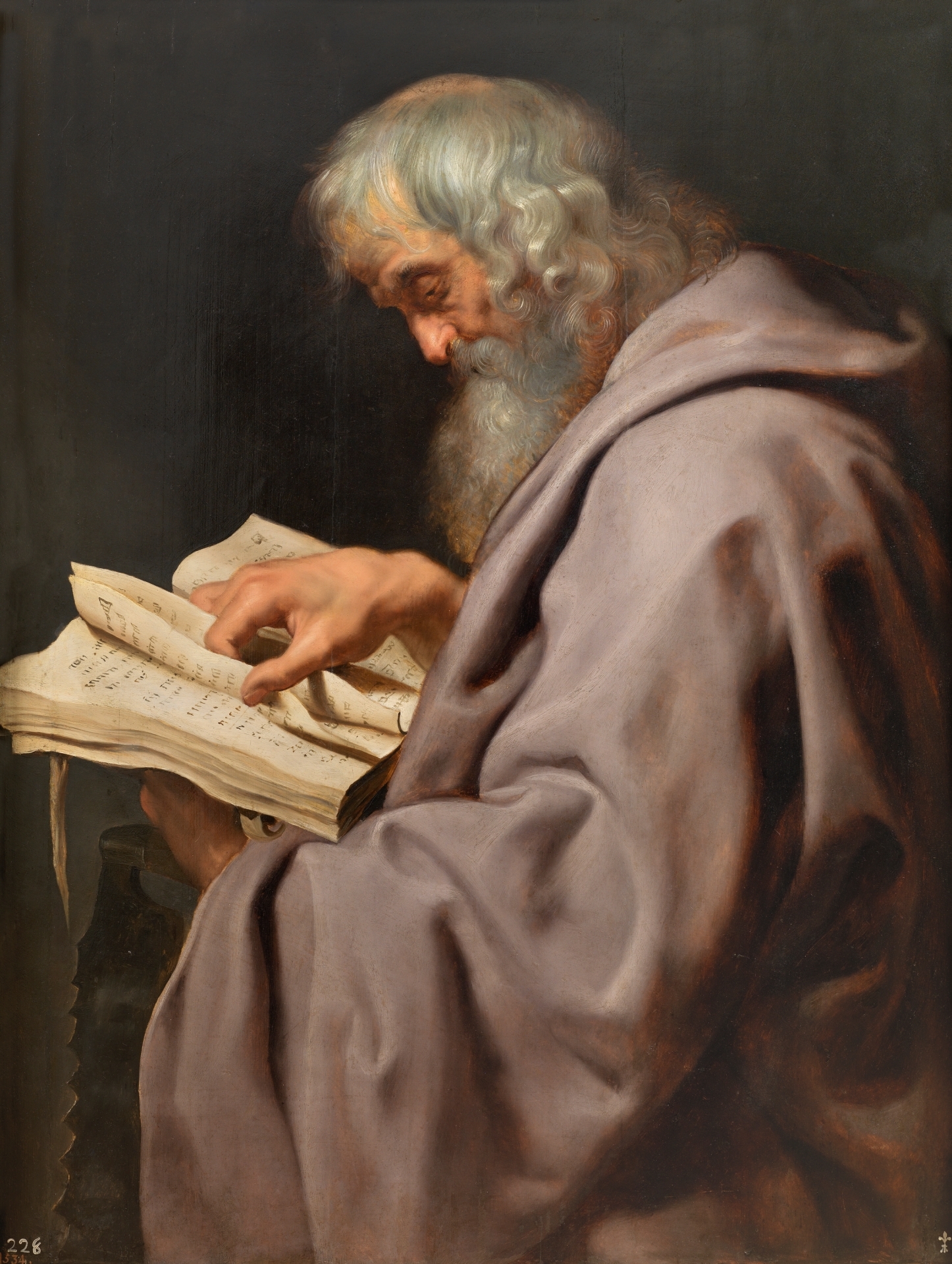
As we continue this series of searching for the good way, please excuse me, and I apologize if it times some things Ωseem redundant. After the day of Pentecost, the apostles, empowered by the Holy Spirit, dispersed to preach the gospel throughout the world. There are many opinions about this and many traditions that suggest they initially remain in Jerusalem, then they eventually spread out to various regions and some apostles like Peter and John were prominent in the early church in Jerusalem, while others embarked on missionary journeys. This week we focus on John. John was with Peter in Jerusalem for a while and then he ministered from Ephesus from which, at a later date, he was exiled to the island of Patmos, but let’s not get ahead of ourselves, it’s very interesting story.

Before we get started, I want to share with you the origins of the information that I’m  sharing with you. This first set of information comes from AI, which is a new feature that most of us can make use of if we care to.We are warned to be careful and verify the things that are there because AI can make a mistake. For this particular set of information that I pulled up there were 11 separate references. I did check them and I found most of them to be correct.  It is said about John’s early ministry that he probably returned to his hometown of Bethsaida  in Galilee after the Pentecost. It is believed he stayed in contact with other apostles as they traveled through Samaria and Jerusalem, then tradition suggested John eventually moved to where he spent the later part of his life and ministry in Ephesus. This is where it is believed that he wrote the three epistles and the book of Revelation. One of the big things that John put his attention to was there was this thing going around of people that denied the true humanity and divinity of Jesus, John worked hard to counter that and he spoke against all of these various heresies that related to that. John provided strong leadership and guidance to the early church, he addressed the issues of faith and doctrine. John spent a great deal of his time proclaiming the gospel and a testifying to the truth of Jesus’s life, death and resurrection. His ministry left a lasting impact on the early church and his writings became the foundational texts for Christian belief and practice. Tradition says that John was taken to Rome, where he was subjected to torture and banished to the island of Patmos for his faith. After the death of the persecuting emperor Domitian, John returned to Ephsus and continued his ministry until his death in the early 90s.

The next segment that I read and studied and I’ve chose to share some of the information with you is from one of my favorite websites gotquestions.org . Here are some of the highlights.

-the apostle John was the author of five New Testament books. There was the gospel of John, the three short epistles that bare his name and the book of Revelations. 

-after the crucifixion, his importance in the 12 grew as he matured, he became a pillar in the Jerusalem church ministered with Peter, and finally was exiled to the island of Patmos by the Romans, where he received from God the majestic visions that compromise the book of Revelation.

-John is the brother of James. The two together became known as the sons of thunder. Their characteristics was the great zeal and passion and ambition in their early days with Jesus and at times John acted rashly, recklessly, impetuously, and aggressively.

-as he aged, he began to understand the need for humility in those who desired to be great. His example being that of  Jesus made a great impact on him. Jesus’ attitude towards servanthood impacted greatly John’s future ministry. One special point that was made in these writings was the fact that he grew so well and matured so much in the faith that when the time came Jesus trusted the care of his mother to John.

-one point that I read was Jesus’s passion for truth transferred to John’s passion for truth. John found joy in proclaiming the truth to others and then watching them walk in it. One of the things that John dislike the most was those who would pervert the truth and lead others astray, especially if they claim to be believers. John did not hesitate ever about identifying the false prophets and antichrist, those who tried to pervert the truth, even proclaiming them to be  evil  in nature.

-he was strong in his beliefs, and sometimes his words could be harsh. But John believed so strongly in truth and truth in love to the point that those we touch with in all things grow up into him who is the head, that being of course Christ.

-John’s confidence, boldness, compassion and grace was of such that coupled with a demeanor reflecting his passion for the truth and his compassion for people and his steadfast desire to serve and represent our Lord became one of the strong building blocks of the early church.

I encourage you to go to the website posted below and read the entire article from Got Questions.

https://www.gotquestions.org/life-John-Apostle.html

Life is Good

jk

Back Porch

Welcome back to the Back Porch, it’s still hot here and it’s not going to get any better. Weather wise this story is rather very simple. It can be summed up in just a few words “this ain’t exactly your grandmother’s summer.”   a few of us have gathered here on the porch even in heat, we have got the fans going and everybody’s got something cool to drink. A lot of times the conversations here on the porch will resolve around the news and what’s going on around us, sometimes we might remember some things from the past and get to reflecting on them and it’s always pleasant to remember things the way they used to be which in the minds of us older folks were the good old days. There was really no competition this week of excessive thoughts going around, we like to call them here  the porch ponders”, it seems like the news of what happened in Cincinnati of the couple being beat up by a mob after a concert, kind of took the stage and we kind of dwelled on that. The news media attempts to try to inject race in everything that happens and we must say that those of us that meet here on the porch to ponder have a different outlook on things like that. We do not judge if it race were involved. We don’t know what happened, we weren’t there. But there is one common factor we can all agree on. This particular area is a “Sanctuary City.” Naturally with our group, we tend to look back and think about the biblical aspects of a sanctuary city so let’s do that before we ponder on the rest of this. In the Bible, the sanctuary primarily refers to a sacred place, often a designated area for worship or a place of divine presence. It was applied for the tabernacle and later for the temple in Jerusalem, as well as a place of protection and refuge. The concept of these cities of refuge as outlined in the Old Testament provides a biblical example of a sanctuary offering protection to those who had accidentally caused a death. Now the Old Testament describes the establishment of six cities of refuge which were served as sanctuaries for those who had actually killed someone. Basically, the cities purpose being a sanctuary place was that it would provide a place of safety for the accidental killer until their case could be reviewed by a judge protecting them from the avenger usually a relative of the deceased. These were not places of absolute immunity while offering protection. These cities did not grant absolute immunity to the individual, they had to present their case to the city elders and abide by the laws of the land, including remaining in the city until a judgment had been passed on their case. Somehow we’ve moved into today looking at it as modern-day sanctuary movement, that advocates for protection of vulnerable populations.

Keeping that definition in mind, we look at sanctuary cities, as jurisdictions of cities or counties that limit cooperation with federal immigration authorities. The interesting thing about this is there is no real universally agreed upon definition, but what they usually do is limit or restrict generally local law-enforcements ability to inquire about our act on immigration status. Let’s cut to the chase on this. The the story out of the Cincinnati that we’ve all been reading about and the beating of those people has taken many different turns but we here on the porch are pondering why is it that in our society today people are so mad and so mean? There is no doubt in most of our minds that it has a lot to do with politics, culture, and social agendas. The sanctuary cities have created a place of violence, lawlessness and total disregard for the safety and rights of the population in general. Folks, let’s just throw out the term illegal alien and simply say that if you’re not in this country legally, then there is a problem. Now we may be stretching this just a little bit too far, but the fact is sanctuary cities have encouraged lawlessness, and it gives a false impression that law-enforcement will not enforce the laws as written, and in many places for some reason or other, it expands past illegals or people not in this country legally and it goes past that and simply hobbles work of law-enforcement to where they cannot be effective. So I ask you today to Ponder This. How long can we as a nation continue to tolerate such lawlessness? How long will it be before we will support and encourage those within our justice system to do their job?

Kurt

It Just Takes A Few…To Reach The Many

As we continue our journey to find a good way, I ran across a blog by James Jansen that has given me a whole new perspective in some ways of how we do this business of finding a good way and  sharing it with other people. At the end of this blog will be the URL to Mr. Jensen’s blog site. I highly recommend that you read his blog. It is excellently written and full of some very interesting facts. I learned a lot from it and part of the job of the Pew in my opinion is to share with you all the wonderful things that are available to us here on the Internet, who want to study the word and who want to learn more about the Bible and about Jesus Christ. 

Jesus’ ministry primarily took place in Galilee and Judea, with some activity in Samaria and beyond. He started in Galilee, preaching in synagogues and healing the sick. Later, he journeyed to Judea, including Jerusalem, where he was crucified. Historical writings and many of the biblical scholars point to the fact that Jesus’ main ministry was in Galilee, Judea and Samaria. There were some areas beyond Israel in which he traveled. Galilee is an area that Jesus spent a significant amount of his time in including towns like Capernaum where he performed many miracles. It was here also in Capernaum that Jesus gathered his first disciples. Jesus traveled to Judea, including Jerusalem for various Jewish festivals, including the Passover. We know his final week, including the last supper and crucifixion took place in Jerusalem. Jesus was always pushing the envelope as we would put it today, he traveled to Samaria interacting with the Samaritans, who were disliked by the Jewish population. In his travels outside of Israel. He want to places like Tyree, Sidon and the Decapolis, where he healed the Gentiles. The Decapolis was located east and southeast of the sea of Galilee. This was a group of cities that were geographically close, but they were culturally distinct from the surrounding Jewish settlements. The term itself is derived from the Greek meaning 10 cities. One of the things that I’ve come to realize was,  while Jesus was not what I would call an activist, he certainly was not a pacifist of no action at all. This area which was north west of Jordan, southern Syria and northern Israel, the cities were known for their great culture, language and urban organization. They were a part of the Roman empire, but they enjoyed a degree of anatomy and self governance. In the new Testament this area is mentioned in the gospels and it’s associated with Jesus’s ministry and as would be expected, there was a degree of cultural tension between the Greek Decapolis cities and the Jewish populations of the region. Having shared all this with you, let’s get on our way to the “Good Way.”

We’ll start by going back to the title of this blog at the very first when we are looking at the fact it only takes just a few good people to reach the many. I guess I will amend that a bit and simply say that it takes a few good people who love the Lord to reach many. That’s a bit of what we’re going to be looking at for the next few weeks. We’ll start with the ministry of Peter. We all know that Peter was a prominent apostle of Jesus, he was known for his leadership within the early church. Of course, we read of Peter all throughout the gospel of Jesus’s early ministry, but we find him prominently mentioned in the book of acts, particularly for his preaching at Pentecost and then his ministry in Jerusalem. Peter’s ministry included, preaching and healing and leading the early church. He wrote two books in the New Testament first and second Peter, his ministry was marked by a bonus in faith and the focus on the gospel. I apologize if we become too redundant here, but Peter deserves more than just a paragraph or two. The early church had just a few good people to take the message too many. Peter’s role was a prominent one after Pentecost and his leadership in the early church, his bold preaching and working to expand the church to include the Gentiles is something that we need to recognize. He had both successes and setbacks, including periods of persecution and personal failures, but ultimately remain a steadfast follower of Jesus. Here is a little more detail to what we’ve been reading for you. Up to now we had Peter’s sermon on the day of Pentecost that led to the conversion of approximately 3000 people, as he and those who came down from that room on that day filled the street and proclaimed the resurrection of Jesus and called for repentance. We should know that at this period of time in the history of the church as it first began, was very perilous time and Peter took a huge, huge gamble standing out in the crowd, preaching in the manner that he did. It is from this speech that he became a key leader in this growing Christian community and particularly there in Jerusalem. Some of the things that marked Peter’s ministry were a series of miraculous healings and demonstrations of God’s power. An example of which would be the healing of the man at the temples beautiful gate. One of the more important things that Peter did was he played a role in including the Gentiles in the Christian faith notably through his encounter with Cornelius and his family at a later date. It’s worth repeating that he faced opposition and persecution all along the way, including imprisonment, but he remained as we’ve said before steadfast in his faith. His two letters First and Second Peter offer guidance and encouragement to believers, especially those facing trials. Sadly, he was crucified upside down in Rome, a testament to his unwavering faith. As I wrote earlier, we’ll spend the next few weeks writing about the few who took the word, the message and the gospel to many. Next Week: John

Life is Good

jk

I am so grateful for those who give their time and abilities… “The Few” that give to so many. Read this Blog, you will be blessed…

https://www.jamesjanzen.com/blog/geography-101-the-triangle-of-jesus-ministry


Back Porch

Well, welcome to the porch, it does seem as if there’s no relief insight for these temperatures. I don’t know about where you live but here where I’m at on the plateau close to Nashville. We’re still looking at 90s or better during the next couple of weeks. The evening time is really about the only time that we can enjoy the porch as hot as it is out there, the humidity is also very very rough. But we can put aside the weather and find plenty of other things to be concerned about. Israel is still fighting for her existence. The Gaza Strip is a mess. The Palestinian people still suffer from lack of food and medical care and are constantly caught in the crossfire between Israel and Iran, and many honest innocent people are dying. We were reminded just the other day about the four college students that were brutally killed not too long ago, about two years ago to be exact. The perpetrator worked a plea deal and admitted to the killings in exchange for life in prison and not the death penalty. If you took time to read a little bit about it, particularly when the families had an opportunity to address what it happened to their loved ones and could face the perpetrator of such horror, it was an emotional time for all involved in that court. But when all things are said and done, four, people are still dead, and the grief is still there. It’s always been my opinion that regardless of all the well meaning things people will say to you like “I know it’s difficult but in time you’ll get over it”,  well, I don’t believe that and I don’t believe the hurt or the pain ever go away. I simply think that we just learned to tolerate it. Our country today is a little better off than it was six months ago, but anyway you wanna look at it, our government is still a mess. We are going through what I call a find, show, and tell period within our government. The goal seems to be to destroy, discredit, and even in some cases just do away with certain people and their opinions. Within politics today, it’s turned into a process of slash and burn, what the more educated call a scorched earth policy.Now we don’t normally here on the porch get ourselves involved in politics, it’s usually a losing situation. We like to ponder how things are going and what we think might work or might not work or sometimes just plain don’t pay any attention to any of it. But it does seem like that the Democrats are taking the path of a little spoiled kid that can’t get their way so they scream they holler, they roll the floor, they wave their arms, and then the disturbing pattern  now within politics on both side sides of the aisle by the way, if they can’t say anything intelligent, they just simply turn to the pinnacle of insults,  the F...word so that’s part of their playbook, the best they have for of their lack of a solution to the problem.

Here is the Ponder for this evening… . When a reason is no longer present at the table, our discourse becomes one of chaos. For us, ordinary folks, there’s only one way to go, in the opinion of those of us on the porch tonight. You will find it in the Bible in God’s word.

Philippians 4:8… and now, dear brothers and sisters, one final thing. Fix your thoughts on what is true, and honorable, and right, and pure, and lovely, and admirable. Think about things that are excellent and worthy appraise.

Ponder That!

Kurt

The Immediacy of The Word

For the last two weeks we have searched for “The Good Way”…this week we continue that journey where it began for many, Pentecost, The Holy Spirt and Peter. No better place to start than The Book of Acts. Peter realized how important it was to seize the moment and to move forward immediately. I chose to use the word immediacy because I felt it best described the opportunity at hand. The Oxford dictionary has this definition of the word immediacy…the quality of bringing one into direct and instant involvement with something, giving rise to a sense of urgency or excitement:

Consider this, as the early church came into being, they always believed, while they did not know for sure, they always believed that his coming would be soon. Right from the very start, they felt the urgency to share what they had seen heard and been a part of. And as I have already written, there is no better place to start to feel that urgency and to understand it then the Book of Acts. The Book of Acts, also known as the Acts of the Apostles, chronicles the early spread of Christianity after Jesus’ ascension. It highlights the role of the Holy Spirit in empowering believers, particularly Peter and Paul, as they preach the gospel from Jerusalem to Rome, focusing on the transition from Jewish to Gentile Christianity and the growth of the church despite persecution. We will take time to examine some early footprints on the path to the Good Way…

  • Pentecost and the Early Church
  • Ministry of Peter
  • Ministry of Paul
  • Expansion to the Gentiles
  • Persecution and Growth

Pentecost, as described in Acts chapter 2, is considered the birth of the Christian church. Following Jesus’s ascension, his disciples and followers gathered in Jerusalem and experienced the Holy Spirit’s descent, described as “tongues of fire”. This event empowered them to speak in various languages, leading to the conversion of thousands and marking a pivotal moment in the spread of Christianity. 

Now that’s the textbook explanation or description of what took place and that I believe. But to kind of bring that around to a Layman’s look at scripture and theological, explanations and studies… We see an event take place with signifies the arrival of the Holy Spirit, which enabled people to preach the gospel and perform miracles. Pentecost is seen as the birth of the early church with thousands of people joining the faith after Peter’s sermon. There is really no intense formula of what goes on there other than the outpouring of the Holy Spirt showed that the gospel was for all and not just the Jewish people. This early church devoted itself to the apostles teachings, fellowship, and the breaking of bread and prayer. It is proper note that the early church experienced rapid growth from just a small group to a significant movement and they did that in a relatively short period of time. The impact of that early church empowered by the Holy Spirit, transformed that small group of believers into a global movement that continues to this day to shape our world.

In the Book of Acts, Peter’s ministry is characterized by his bold preaching, miraculous works, and leadership in the early church.  I’ll take a closer look at Peter’s part in the early church. We know that the first sermon he preached leads to the conversions of thousands and established him as a key leader in the early church in the face of opposition from religious leaders and and others he continues to lead and teach the believers and perform miracles. He travels to Judea and Samaria in encountering new believers and continuing to spread that gospel. He heals people and raises Tabitha in Joppa. (Acts 9:36-43) There also is a very pivotal movement that takes place during Peter’s ministry. He has a vision and it led him to Cornelius a Roman centurion and his household, and through this encounter with Gentiles and they’re being baptized later it marked a moment that demonstrated the inclusion of gentiles in God’s plan of salvation. We know that Peter faced criticism from Jewish believers, particularly with his actions with Cornelius and his family, but he defend that decision and he continues to go forth with the word in Jerusalem, but is eventually imprisoned by Herod. One of the benchmarks of Peter’s ministry is that it was a servant leadership type of ministry. He encourages the elders to Shepherd the flock and then he calls believers to stand firm in the face of persecution. Overall, his actions and teachings provide the church today a model for leadership and ministry in all that we do

Ministry of Paul, as detailed in the New Testament involves spreading the gospel of Jesus Christ, particularly to the Gentiles. He did this through missionary journeys and letters. His ministry was characterized by both successes and persecution, which demonstrated his deep commitment to Christ. Paul had an overwhelming desire to see people transformed by the message of salvation. As we look a little closer it began with a dramatic conversion and an experience on the road to Damascus, here he encountered the risen Jesus.He spent time in Arabia and Damascus, and then returned to his hometown of Taurus. There were three missionary journeys, major missionary journeys accompanied by various companions and they traveled throughout the Roman empire, their journeys mainly involved, preaching teaching and establishing new churches. One interesting thing about Paul and probably not well known, is he wrote 13 of the books of the New Testament, also he wrote numerous letters to the churches that he had established addressing various theological and practical issues, and these letters became a foundational text for Christian theology and practice in the future. In biblical times, anyone who was not a Jew was considered a gentile. This ministry was particularly significant for its focus on bringing the gospel to the Gentiles. It is understandable that Paul faced quite a bit of opposition and persecution throughout his ministry, including imprisonment and hardships. Teachings always emphasized the grace of God in the importance of faith in Jesus Christ and the freedom from the law. Paul was known for preaching in very diverse settings, healing and establishing leadership within the churches that he visited,   and started. Paul worked with a network of individuals who supported his ministry in various ways. Priscilla, Aquila, Timothy, Titus, and many others. Overall, Paul’s ministry had a profound impact on the development of Christianity and even to this day continues to shape Christian thought and practice.

Expansion to the Gentiles, leads us to some very interesting reading. It begins in act 10 sometimes referred to as a gentile Pentecost in Acts 10:9–16. We read of Peter’s vision of a sheet filled with unclean animals. From this Peter gained the knowledge that the gospel was not limited to just Jewish people. Peter then went to the home of Cornelius a Roman centurion where the Holy Spirit came upon this household as they listen to Peter preach. That event demonstrated that the gentiles could receive the Holy Spirit and become believers. You didn’t have to be Jewish first. This was a huge turning point in the churches understanding and practice regarding the inclusion of Gentiles. We will not get into Paul’s letters at this point and how they affected the Christian faith and growth of the church at this time. What is important right now is the theological significance of what is happening. The inclusion of these gentles fulfilled God’s promises to Abraham that all nations would be blessed through his descendants. It brought to the front the fact that there was a universality which signaled the fact that salvation is not limited to one ethnic or cultural group. It was at this point that this wall of hostility dividing the people was put to rest. We must consider the fact that the expansion to the Gentiles was not without challenges and conflicts. There was always a conflict regarding the role of Jewish law and customs for gentile believers. In Acts 15, the Jerusalem Council addressed those issues affirming the Gentiles were not required to adhere to the full masonic law. The one thing that we need to glean from this is that the expansion to the Gentiles really did shape their church and lead its growth into a global faith. But most important, we must not forget the fact it established the foundation for the churches mission to all nations as instructed in the great commission.

Persecution and Growth, now most of the research that I’ve done does not lead me to the conclusion that persecution was a catalyst for growth within the community of the early church. I do agree with the fact that persecution can lead to an increased commitment, increase the number of witnesses within the organization, it has a purifying effect upon community weeding out those who are nominal believers, leaving behind a more committed group. I really don’t want to spend a whole lot of time on this part of it, but persecution does lead to loss of people within the movement it also at times can weaken the influence of Christianity. We can look at the history of North Africa and our history in the Middle East to show that growth is not always guaranteed. But I believe the biggest problem that we have then and we have now is complacency and spiritual stagnation within the religious community. I am a firm believer that the growth of religion if you want to put it that way, of our church is directly related to faith. Faith and the promises of Jesus Christ and the salvation of the believers in the days to come. Thanks for joining me on this part of our journey. I hope you’ll come back next week.

Life is Good

jk

Back Porch… Law and Ideology

A little different look this evening on the porch we normally don’t give it a title. It’s just simply “Back Porch” but tonight we’re going to discuss and ponder on some things related to law and ideology. Kind of up-town stuff for us country boys. To start with both law and ideology have separate trajectories but it can be said with some certainty that there are some interconnected concepts also. Now I would not want you to think that I’m so brilliant that I thought about this myself, no, I read this… law is a system of rules enforced by political system, but ideology is a set of political ideas that guide action and shape beliefs about society. All these rules and regulations are created by this political authority which the people have elected. This political authority has put in place laws which are backed by sanctions and mechanisms for ensuring compliance. Those laws are there to maintain order resolved disputes, protect rights, and establish standards of behavior. Pay attention now because you’ll need this later on as we begin to ponder all of this. Now comes ideology and usually that’s a set of beliefs that encompasses a system of ideas and beliefs that shapes and helps people understand the world we live in and their place in it. Now we’re getting on some familiar ground to a lot of of us. It is here that I say we encounter those social justice warriors. Most all of ideology is action oriented. Ideologies are used often to motivate a collective action and provide a framework for political and social change. In the world we live in today it’s very evident there is definitely influences on our laws and our culture that are shape this and reflect the dominant ideologies of our society. Be aware of this, studies have shown that ideological factors can influence how judges interpret laws and that of course hinges on how dependent they are on legislative history. Well, I believe that law and ideology are distinct, I must admit the facts prove they are not totally independent of one another. Our laws are a product of our government and they the tools we use to govern with, but they are also shaped by and reflective of political ideas and values that prevail in our society.

So Ponder this if you will. Are we here in America going to be a country governed by laws and reasonable thought or well organized ideologies that are pushed by social justice warriors and cultural changes.

Kurt

Looking For The Good Way

Last week we used Jeremiah 6: 16 as a starting point for our journey to discover the Good Way. God his always made known to his people the direction that he wants them to follow. So in looking for the good way one of the first places to start would of course be the Bible and of course in the Old Testament. So sit comfortably here in the pew, open your Bibles and I’ll share with you some reading that will help you find the direction we need to be going. After we complete this blog today after a thorough reading it go back to these chapters that I’m about to share with you and read them so you’ll have a good context of what we’re talking about. The first place that we’re going to start would be in the 19th chapter of Exodus, versus one through 20. It leads me to have to say that in today’s world there’s not a whole lotta emphasis within the church on the Old Testament, but I have always believed and will continuously believe that it is an essential part of biblical history, study, and learning on the part of all believers. I am really going out on a limb here a bit I guess but I always like to go back to the 10 Commandments. These are commandments that God himself gave they’re from his mouth. They were given to Moses, of course, and the place to look for that story is in chapter 20 of Exodus. Again, I instruct you to read the entire chapter. Sometimes just one or two scriptures from the chapter are sufficient to give us an idea of the subject matter, but to understand the context in the meaning and really get a feel for what has been written, it’s necessary to read all of those versus there in chapters 19 and 20 in Exodus. We’ll move from that part of our Bible and go to Leviticus in the 26th chapter. We find a listing of the reward for obedience along with the punishment for disobedience so if we read verse one through 46 we have an even better idea of what God would have us do and not do. And then we’ll move to Deuteronomy chapter 30 versus 15 through 20, again I encourage you to read that whole chapter. It is my belief that while the Bible gives us many verses that highlight the key expectations God has for humanity that there is one particular first here. I’m going to one I believe says it about as we’ll as any. Micah 6:8 which I believe answers the question as well as any of what does God expects of us, it reads as such…  

“He has shown you, O mortal, what is good.

    And what does the Lord require of you?

To act justly and to love mercy

    and to walk humbly[a] with your God.”

We also give attention to these additional verses. One John 4:8 emphasizes that God is love and therefore, loving others is a core expectation. We can add to that Matthew 22:37–40 which emphasizes loving God and loving your neighbor as yourself as the greatest commandments.

Finding a good way is simply trying to find a way we might live our lives in a way that will be pleasing in God’s eyes. I have used many different sources to put things together for this blog, but let’s move to four points that I think pretty well sums up what we need to do.

The very first one being that we need to have a love for God. We must acknowledge God’s sovereignty. We must seek a relationship with Him, and we should strive at all times to live in accordance with his will and I believe that we need to add this to that .We need to extend that love for others to treating everyone with kindness, compassion, and forgiveness, as well as actively seeking to help those in need.

Number two I think we all have been subjected these days to this deluge of social justice warriors who sometimes I believe their agendas really don’t match up with God’s agenda or His plans for us. I look at justice as meaning to treat all people fairly and with respect, standing up against injustice and not depressing or mistreating others.

Number three is just plain good old-fashioned kindness. Showing compassion and mercy, helping the poor and vulnerable, and being generous with our time and resources.

Number four brings all of this together. Humility simply means being modest, recognizing one’s limitations, and not being arrogant. God desires for us to live a life that reflects his own character, a life of love, compassion, and righteousness.

Life is Good

jk

Back Porch

I have a feeling that due to this tremendous amount of heat that were going through here on the plateau that we won’t be on the porch here very long. Well I came across a headline in a newsfeed that really sent me to pondering.  Old People Smell.” Let me repeat that… “Old People Smell.” OK I pondered on that and I thought well it could be personal hygiene, maybe some health issues, or maybe because we’re such an odd lot It might be the things we like to eat. Now, sometimes we can even smell like the food that we eat if we eat enough of it.  After some research I was educated to the fact that it is not a sign of hygiene, it most likely is because of our age and it’s influenced by factors like that health conditions and medication. This age thing could get to the point where it’s quite a burden for us older folks to carry. Not only can we not see well, but we can’t drive well either or hear and we take too much time to make up our minds in lines at a takeout like McDonald’s or Arby’s any place like that you know people say we’re too slow. I couldn’t just put this aside so I did a little more research and tried gathereing some facts, to defend us in some instances. It is believed by our friends and the scientific and medical community that there is a compound that is a primary culprit and it’s a byproduct of the breakdown of omega seven fatty acids on the skin surface. As we age our skins natural antitoxic defenses declined leading to an increased oxidation of skin lipids. There’s also some changes to take place in our sweat glands. These glands produce a sweat and when we sweat it may become less active with age, so I’m reading all this and it just seems to keep coming other factors like diet, health conditions like diabetes or kidney disease. The medication we take, lifestyle choices can also affect our body smell. But here’s the kicker, research, suggest that while people recognize a different scent of older adults it’s not necessarily perceived as unpleasant, well, thank you for that! And then, as I kept reading, it gets even funnier to me. Some studies have shown that volunteers rated the smell of older, elderly people as less intense and unpleasant than those of younger or middle-age people according to the scientific American. So if you’re out in public and somebody just walks up out of nowhere, it starts sniffing at you don’t be too quick to be offended. They’re probably conducting a very important scientific study. That smell has often been described as musty, grassy or greasy. I seem to remember back in the day and for me that’s way back, we used to have a saying when somebody got upset or irritated simply “easy greasy.” Now, with all that having been said, the article that I was reading gave some tips on how to manage this old people smell, you need to have a diet that treats those causes and various antitoxins, fruits vegetables can help combat with lipid oxidation. They recommend that we stay hydrated. Skin care is very important hygiene regular bathing, and washing of clothes and bedding can help and we need to be aware of underlying health problems we may have that’s causing this. Now I have often heard it said that us older folks can be an aggravation we get in the way and some of the other things I listed. We’re too slow. We don’t hear well we don’t see well and now we stink, which brings me to simply asking you to consider…Pondering This! Us older folks Stink!

Consider This… On amazon.com there is a 6 count of Febreze Air Mist for $23

Kurt

Jeremiah……Finding The Good Way

16 This is what the Lord says:

“Stand at the crossroads and look;
    ask for the ancient paths,
ask where the good way is, and walk in it,
    and you will find rest for your souls.
    But you said, ‘We will not walk in it.’(Jeremiah 6:16)

Jeremiah was a major prophet in the Old Testament, known for his prophetic ministry during the late 7th and early 6th centuries BC, a turbulent period in Judah’s history. He warned the people of Judah about the impending destruction of Jerusalem and exile to Babylon due to their persistent idolatry and disobedience to God. If you would allow me, here is a layman’s interpretation. Their world was overrun with sin. Even before his birth Jeremiah was called to speak for the Lord to all nations, including Judah. He was based in Jerusalem during the peiords of several Judahite Kings, including Josiah, Jehoiakim and Zedekiah. His message was simple enough. It included warnings of impending judgment from God to the Babylonian exile, but also contained prophecies of restoration and hope for the future, no prophet was ever to have an easy road that’s for sure and Jeremiah was no different, he faced opposition and persecution because of what he was preaching, including threats of prison and public humiliation. His deep sorrow over the scenes and suffering of his people came to cause him to be named the “Weeping Prophet.” As with many of the books of the Bible, the book of Jeremiah, which includes his prophecies and lament is attributed to him, though it is believed to have been compiled with the help of his scribe of Baruch. Baruch also plays a key role in the Book of Baruch, a deuterocanonical book attributed to him. Jeremiah continued to prophecy, even after the fall of Jerusalem and the beginning of the exile, sending messages to the exiles in Babylon.

Some years back a friend of mine and I were looking for material for a Sunday school class. Something that we could do that would be from the word and not kind of out of a can so to speak. In our search, we ran across this particular scripture from Jeremiah 6:16. I thought about that the other day and it occurred to me that perhaps in these days right now the way things are throughout the world and among all peoples that this is a good time too start looking for the “good way” once again. In Jeremiah, the 16th through 20th verse we see an accounting of the many things we have done and are doing that God finds displeasing. First of all the scripture encourages us to stop look around think just a little bit. We’re at a crossroads in our lives and what we should be looking for is  “the good way” and then find a way we can walk in it and we’ll find rest for our souls. The scripture tells us then that the people did not listen and we can look around us today and still people aren’t listening. I think Jeremiah makes it very plain that we’re all going to be witness to what happens to all nations  and all people. Through the prophet Jeremiah, God is making it known that there is a disaster coming. People will have to pay  because they are not listening to what he has asked of them and they rejected “the good way.” In verse 20, through Jeremiah God makes it very plain that their burnt offerings are no longer acceptable and that their sacrifices do not please him. Consider this if you will please. The Lord through the prophet not only spells out what is going to happen and why but also a sign once more to the divine frustration at disturbance of a people who are reminded again and again of their covenantal responsibilities, but refused to pay any attention or do anything about them. We must not overlook that in this context, a covenant is an agreement between God and his people.The Jewish faith is based on biblical covenants God made with Abraham, Moses, and David. There is another point here that we shouldn’t overlook, and that is the fact that Jeremiah’s frustration and anger are often directed to the Lord, so it’s kind of easy to miss the fact that this frustration and anger are also shared by the one who commissioned him, that being God. God loves his people and his creation and again and again we see him sending them signals and signs that are ignored, even suggesting where they can look to find a better life rather than death. Jeremiah’s prophecies are full of announcements of judgment. They’re often dispersed with various calls to repentance. He also gives warning signs and indications of what is needed. One of the interesting things that we find here is that the Lord simply doesn’t just simply point out the sin and announce the judgment, there are times that there’s almost a painful kind of explanation because the bond between the people and their God is strong. It’s so strong that it seems God holds back the inevitable, even in the face of such stubborn refusal  by these people to live by the covenant that they made with God. In the first verse 16, the congregation is encouraged to look at their past history, to check its memory, defined the ways that have been forgotten, to remember the God who has delivered and directed them. They need to find their way back to the “good way.”

Next week we will continue to explore these verses and what is to come. The prophet Jeremiah has brought to the people, God’s word and message and God in his mercy and grace has provided instructions in the past as how to live the good life, the good way. So please join us next week as we look at how we can truly fine and walk in the “good way.”

Life is Good

jk

Back Porch

Well, we have definitely moved into the summertime, cold lemonade, cold sweet tea that seems to be the beverage of choice here on the back porch. I think the last time I looked just before we came out here. Temperature was sitting at pretty much 90°. I’m focused on temperatures only because right now this week and a large part of last week the temperature in DC has been extremely high. I’d be willing to bet around the halls of government there in Washington the sale of anti-acids is probably gonna to go up. The the house got their job done and passed the bill onto the Senate and the Senate they did their thing and now they’ve sent it back of course to the house for for their approval  and then if they vote on it and then if it passes it’ll go to the presidents desk. These elected officials whom if they were just appointed…well anyone of sound mind would not put half of them there. These folks are elected to represent us and make sure the voice of the people is heard. It is my thought after a hard ponder that after their orientation they belong to their party and their caucus. I am not going to spend to many words on this…to hot out here. Welcome to the porch…Lisa Ann Murkowski Who is this lady? She is an American attorney and politician serving as the senior United States senator from Alaska, having held the seat since 2002. She is the first woman to represent Alaska in the Senate and the Senate’s second-most senior Republican woman, after Susan Collins of Maine. Wikipedia  She has been a thorn in the side of conservative Republicans for years. This lady does not like President Trump and has the disposition of a coiled rattlesnake. Me, I like our President, I like Alaska and now I like the Senator from Alaska. Now the thing about the porch is we don’t make decisions or solve problems here…we just Ponder. So I ask you to Ponder This… What did she do? She voted for that “big beautiful bill” She did what the people of Alaska sent her to Washington to do, Lisa Ann Murkowski took care of the folks who sent her there.

“Murkowski opposing the legislation until she secured clean energy tax credits, assurances of oil drilling leases and other priorities for her state.” (Fox News)

It is rare when a politician puts their constituents ahead of their agendas. 

Kurt