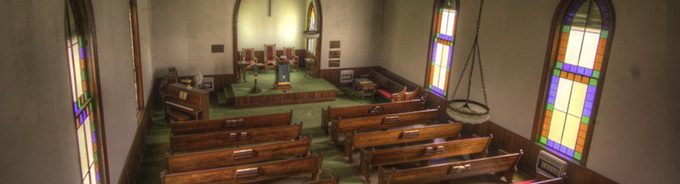
 Thanks for joining us in The Pew this week. If you’ve been traveling along with us, you know that we’re kind of keeping up and looking for The Good Way in this life that we live here on this earth. As we travel along this road of The Good Way, we’ve written about the bumps and things we run into and now we’re going to write about those detours that pop up every now and then and kinda get us off the road, The Good Way.
I have never thought about this, Revisionist culture, new thing to me. It refers to “a social or intellectual environment that prioritizes re-examining, challenging, and actively changing long-accepted traditions, cultural narratives, and historical records. Instead of taking the status quo or traditional heritage for granted, a revisionist culture views established norms through a critical, modern lens to correct perceived past errors, systemic biases, or structural inequalities.” I also would like to add the advancement of social justice agendas.
Revisionist culture in the Christian faith refers to the movement to reexamine, reinterpret, or alter traditional Christian doctrines, historical events, and biblical texts. This approach often seeks to align Christian theology with modern social values, scientific understandings, and progressive cultural norms. It is very controversial and not something that really truly mainline denominations are willing to talk about. When we look at biblical texts through historical and critical lenses or modern social frameworks like feminism are LBGTQ+ we find ourselves unknowingly entering into the world of political thought and social agendas. There are also some other outcomes like we find ourselves, questioning long held orthodox traditions, such as the nature of salvation, hell, or even original sin. The things that I think we need to really consider is that shifting church stances on social issues, which would include the LGBTQ+, marriage, general rules, and environmental justice, years of doctrinal teachings biblical truths, moralizing them to fit a particular situation. It doesn’t stop there either. It even goes into the historical revisionism, like reevaluating church history to highlight marginalized voices or critique past intuitional failures. Leaving our faith to take a real hard hit when we’re told our beliefs must evolve to stay relevant and meaningful to modern society.
I really don’t think it will take that many words to express a very serious concern that many Christians have today. When we alter foundational doctrine, it compromises the ultimate authority of the Bible. When we view revisionism, we see a surrendering of timeless spiritual truths to temporary secular trends. And when we modify core creeds, this leads to division and a loss of unified Christian identity across the denominations. Let’s encourage each other to know what we believe, and why we believe it. Let’s once again lift up the Bible as the word of God and the source from which we acquire our knowledge and draw our strength. I encourage each of you who are reading this wherever you might be, to stay on the Good Way.
Life is Good
jk

