
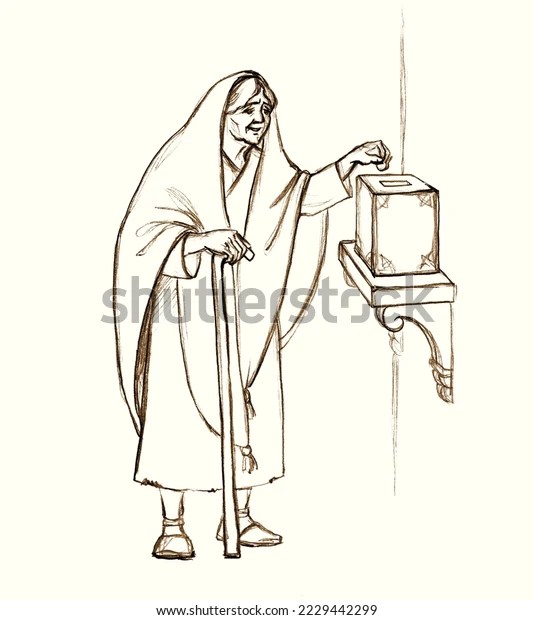
 The first thing we should do would be to get a good handle on exactly what tithing is. So first things first, the meaning and purpose of the word tithe comes from an old term meaning a 10th part.Tithing is the practice of giving 10% of ones income or produce to support a religious organization or place of worship. Can’t help but add this as I was sitting here at the keyboard when we’re talking about clubs or organizations tithes becomes dues and for some reason no one is put off by that. For many religious people it’s a way to put God first and show trust in divine provision. Historically as well as today, it’s a means of support for community. These funds that help maintain houses of worship pay religious leaders, and fund charity work for the needy. Now, some of this today will probably be repetitious, it’s a voluntary giving unlike past centuries when tithes were mandatory taxes of crops or livestock, modern contributions are generally voluntary. In the world we live in today. It’s a relatively easy process, people typically pay using cash, checks or digital transfers. The amount a person does tithe is up to the individual who usually will choose whether to calculate the 10% from their gross total income, our net take home income.
Back in The Day:
Biblical tithing was the practice of giving your 1/10 of one’s produce livestock or income to support religious leaders and the community? One of the earliest biblical validated gifts was from Abraham.
- Abraham gives a tenth of his spoils to Melchizedek, the King of Salem, in Genesis 14:20 “Abraham gave Melchizedek a tenth of everything he had taken from his enemies” — [Ministry Designs] (though the exact URL is https://ministrydesigns.com/tithe-in-the-bible/).
As we continue to read and do research, we find that Jacobs vow which is in Genesis 28:22 where God commanded Jacob to give 10% of all he has been blessed with to the temple as an expression of gratitude. Another step in this process of tithing comes from the Mosaic Law…what we speaking of here is the Old Testament system. Under the law of Moses tithing functioned essentially as a national system to support the theocracy, religious workers, and social welfare. There wasn’t at that time a Levitical Tithe in the amount of 10% annual tax on crops and livestock given to the Levi’s and priest who did not receive a tribal land inheritance…we read of that practice in numbers 18:21 where the Israelites were commanded to give a tithe to the Levites. We’ll take a quick look at two more of these tithes.
-The Festival Tithe: An additional tenth of produce set aside yearly for family celebrations and religious festivals in Jerusalem.
-The Charity Tithe: A specific tenth collected every three years to support foreigners, widows, and orphans “Deuteronomy 14:28 specifies a third tithe every three years to be stored in towns to care for foreigners, the fatherless, and widows.”
New Testament and Christian Tradition
As I’ve shared with you so far this tithing thing has a very long and rich history, and in some instances instigated by God. In your early church, Jesus emphasizes the moral weight behind that practice, he was pointing to justice, mercy, and faithfulness. I don’t want dig a hole, it becomes way too complicated. We can find lots of rabbit holes to go down on this one, but we’re not going to. I will mention the church councils like the council of Tours in 567 A.D. that formalized tithing. And now, of course, that brings us right into the modern views towards this subject. Christian denominations differ on whether the 10% rule is mandatory today, with many teaching it as a helpful benchmark for giving rather than a strict legal requirement.
Now let’s take this in a direction of scripture. In the book of Leviticus 27:30 “a tithe of everything from a land with a green from the soil or fruit from the trees belong to the Lord it is holy to the Lord.” As we continue to read and search we find and Deuteronomy 14:22”be sure to set aside a tenth of all that your fields produce each year” In the book of Malachi 3:10 “bring all the tithes into the storehouse, so there will be enough food in my Temple. If you do,’ so says the Lord of Heavens Armies, ‘I will open the windows of heaven for you.” In Proverbs 3:9 “honor the Lord with your wealth, and with the best part of everything you produce.” I’ll share one more with you from numbers 18:26 it instructs a Levis to also present a 10th of the tithe they receive as an offering to the Lord.
I know when you share information and you folks are kind enough to read the blog each week that a list of scriptures can sometimes really bog you down. But I do want to present this one fact to you.
There are approximately 39 verses in the Old Testament that explicitly refer to tithing or the tithe (using the Hebrew word ma’aser, meaning a tenth). [1]
These references span 11 distinct chapters across 7 Old Testament books. Depending on how strictly a count separates multi-verse narrative context (such as verses talking about the “storehouse” for the tithes or general giving principles), the exact number of verses directly containing the specific words for “tithe” or “tithing” is typically counted between 34 and 40 verses. (Robert Breaker)
Now there is a great deal of difference between your focus of core pressure rules of New Testament giving. Instead of burdening you with listing and have you reading the scripture I’ll just simply tell you that you will find plenty of perspectives on giving in the New Testament anywhere in the book of Matthew Second Corinthians First Corinthians, and on and on, but the New Testament principles of generous giving focus on voluntary joyful grace, rather than strict legalistic percentages. Jesus Christ gave everything for us, so it’s only fitting and right that we should give back. And should be given voluntarily and cheerful. It’s been suggested that we should give what we have decided in our heart to give and not reluctantly under compulsion, for God loves a cheerful giver. Paul instructed believers to set money aside methodically. We should be working at building generosity into the rhythm of our lives not just when we feel moved to do so. Giving in many ways is a sense of self surrender it allows a good in our heart to flow to others who are in need. It’s hard to even imagine to set some kind of a percentage perhaps the best way to look at it is this it would be well received if we were to give proportionately based on how God has prospered us rather trying to meet an unmanageable burden.
To bring all this together to what I hope is a reasonable conclusion, it would be my advice, to give all you can, to everyone you can, as often as you can. Somewhere in all of this, I believe I read that tithing is a matter of the heart.
Life is Good
jk

